All about creating cover art for a digital music release
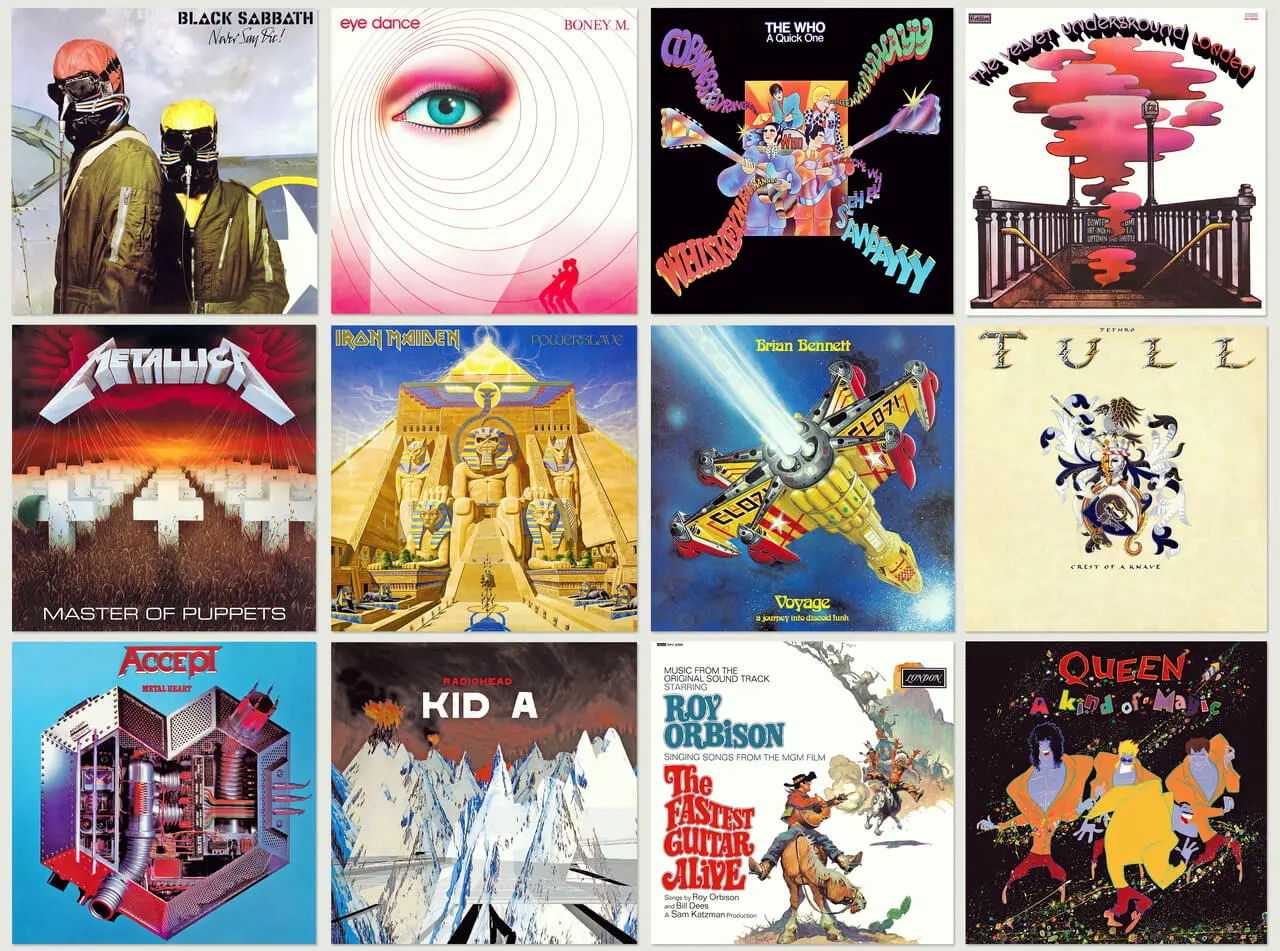
An album cover is a visual representation of an artist’s music. It is also a powerful marketing tool.
At MusicTeam®, we specialize in digital music distribution, providing independent and emerging artists with the support they need to prepare, register and distribute their music. We regularly explain the various steps involved in getting music to an audience – from registering with a PRO to obtaining unique identifiers for a work or recording – but there’s another step in the process that many artists might not be familiar with: creating cover art.
A successful single, EP or album needs the strong foundation of great music and the right metadata, and also a powerful visual identity.
Keep reading to learn how to make high quality cover art for your next release.
Key takeaways
- Visual identity is really important. An artist’s visual brand, including cover art, is as important as their music for connecting with an audience and making a strong first impression.
- Cover art is a marketing tool. In the digital age, a professional, compelling cover is the first point of contact on streaming platforms and social media, directly influencing listener engagement.
- High-quality design matters. Whether you hire a professional or do it yourself, the cover must be high-quality, legible at a small size, and accurately represent the music’s themes and genre.
- Know your audience and brand. Before starting, understand your artistic identity and what visually resonates with your target listeners to create a meaningful and effective design.
- Follow technical specs. All major streaming services require a square image (3000×3000 pixels is recommended), RGB colour mode, and a JPEG/PNG format.
- Respect copyright. You must have permission or a valid license to use any images that are not your own. Never use copyrighted images from a basic Google search.
Table of contents
- Visual identity in the music industry
- Cover art is more than meets the eye
- Do independent artists need to provide their own cover art?
- 5 Tips for creating great cover art for a music release
- 6 Qualities of a good album cover
- Technical specifications for designing an album cover
- Are you an independent artist looking for support to navigate today’s music industry? MusicTeam® is here to help.
- Music cover art F.A.Q.
Visual identity in the music industry
Visual identity serves as the tangible expression of an artist’s brand, acting as a critical bridge between their sound and their audience. It’s a cohesive aesthetic that encompasses everything from album art, band logos, and typography to fashion, stage design, and music videos.
This curated visual world not only helps you stand out in a crowded market but also communicates your core message, genre, and personality before a single note is heard. This is extremely important in an era where the streaming economy has opened the door to many independent and emerging artists. Not only are these musicians able to record their music in spatial audio without the support of a studio, they are also able to distribute their own recordings on platforms like Apple Music and Spotify. With more competition, the importance of having top quality cover art has never been greater.
Cover art is more than meets the eye
Album covers serve as the visual representation of the music contained within, acting as a powerful tool for artists to communicate their message, style, and identity to their listeners. Your cover art helps establish your visual identity and brand.
Your cover art is your first point of contact with listeners
In today’s digital age, where music is often discovered and consumed online through streaming platforms, album covers serve as the first point of contact between the listener and the music. A visually striking album cover grabs attention and entices listeners to explore further, acting as a promotional tool featured on digital music platforms, social media posts, and promotional materials, generating interest in the music.
Great cover art can have a long-term impact on a musician’s brand
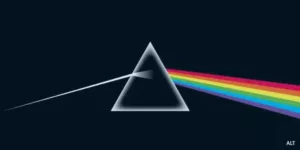
Iconic album covers have left a lasting imprint on popular culture, becoming recognizable symbols of their respective eras. Covers like Nirvana’s “Nevermind” or Pink Floyd’s “The Dark Side of the Moon” represent not only the music but also capture the spirit of their time. They can also hold value as collector’s items, with limited edition vinyl records, CDs, and digital album artwork becoming prized possessions for music enthusiasts and collectors alike.
Additionally, these iconic designs often transcend their original purpose and inspire merchandise such as posters and t-shirts, further solidifying their impact on popular culture and allowing fans to express their admiration for the music and the artists behind it.
Cover art offers another opportunity for artistic expression
For many music artists, album covers offer an opportunity for artistic expression beyond the music itself. Album covers often reflect the themes and concepts explored in the music, from surrealistic artwork to minimalist designs, contributing to the overall artistic experience of the album.
Consistent design elements, colour schemes, and typography help create a recognizable brand image that fans can easily associate with the artist. Through imagery and design choices, album covers tell a story about the music and the artist behind it, conveying emotions or narratives, providing a glimpse into the creative vision of the musician.
Album cover awards
A great album cover could even win you an award, leading to further exposure for your work. There are Grammy Awards for Best Album Cover, and Juno Awards for Best Album Artwork of the Year, to name just a few. You never know how far a great album cover will take you or your band.
Do independent artists need to provide their own cover art?
Yes, independent artists are responsible for sourcing or creating their own cover art, as they don’t have a publisher’s in-house design team to provide it. This can involve designing it themselves, using a template, or hiring a freelance graphic designer or illustrator to create the artwork for their music.
5 Tips for creating great cover art for a music release
Here are our top five tips for creating your own cover art:
1. Know who you are
Understanding your own identity as an artist is fundamental to creating an album artwork that accurately reflects your style, personality, and values. Consider your unique artistic vision, musical genre, and the message you want to convey through your music. Your album cover should serve as an extension of your identity, resonating with both existing fans and potential listeners.
2. Understand your listeners
You should know more about your listeners to find out what resonates with them. Consider the demographics and expectations of your listeners, including their age, gender, and cultural background. Understanding what visually appeals to your audience can help you tailor your design to better connect with them and attract their attention amidst a sea of competing releases.
3. Reflect on what you want to convey
Clearly defining the message you want to convey through your album can guide the design process and ensure that your cover art effectively communicates your artistic vision. What story do you want your album cover to tell about your music and artistic journey? How do you want listeners to feel or react when they see your album cover?
Whether it’s capturing the mood of your music, telling a story, or evoking specific emotions, knowing the true purpose of your work will help you.
 4. Get inspired
Inspiration from various sources can enrich your creative process and help you develop unique and impactful album cover art. Explore artwork from other musicians, visual artists, photographers, and designers that align with your aesthetic sensibilities and musical influences. Analyze what resonates with you and incorporate elements of inspiration into your own design while adding your unique perspective and creativity.
Ask yourself these questions when making cover art
- Which artists, musicians, or designers inspire me creatively?
- What specific elements or techniques from their work do I admire or want to incorporate into my own album cover?
- How can I put my own unique spin on these inspirations to create something original and authentic?
- What other sources of inspiration, such as nature, literature, or personal experiences, can inform my album cover design?
5. Collaborate with a visual artist
Did you know you could seek to collaborate with designers or photographers to do your album cover? This often happens in music. Collaborations can benefit both the releasing artist and the visual artist.
If you’re curious about the designer behind an album cover you admire, check the credits on the back of the album for their name. Alternatively, you can search online for album cover designers (for example on freelance platforms like Upwork and Fiverr, design communities such as Behance and Dribbble). Art directors at advertising agencies are often skilled in creating album covers and may welcome the chance to collaborate.
Review portfolios and discuss timelines and budget for a successful collaboration. This is a good way to build your network and get to know more about the music industry.
There are also many online resources available to find good photos. Platforms like Canva offer pre-made templates and intuitive drag-and-drop interfaces, making it easy to create professional-looking album covers without any prior design experience.
For high-quality imagery to use in your album cover design, explore stock image websites like Shutterstock, Pexels, Pixabay, or Unsplash. These platforms offer a vast selection of royalty-free photos, illustrations, and graphics that you can incorporate into your design. Be careful and choose pictures that are not too generic.
Please note that you should never, under any circumstances, use photos or graphics for which you didn’t get permission from the owner, photographer or designer.
6 Qualities of a good album cover
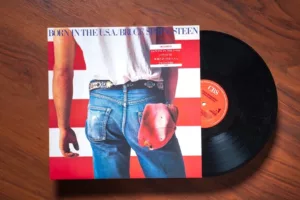
1. It’s simple
Avoid cluttering the design with too many elements. A clean and minimalist approach often resonates better with viewers and ensures clarity of message.
2. It matches all criteria
If you don’t want your product’s distribution to be rejected, make sure to follow the instructions provided by your distributor and streaming platforms.
3. It’s easy to read
Make sure that the artist’s name, album title, and any other text on the cover are easily readable, even when viewed at smaller sizes or from a distance.
4. It tells a story
Use the album cover as an opportunity to tell a visual story that complements the music. Incorporate symbolism, metaphor, or narrative elements that resonate with the album’s themes and lyrics.
5. It is high quality
Invest in high-quality imagery and design assets to create a professional-looking album cover. Avoid using low-resolution graphics or generic stock photos that may cheapen the overall appearance.
6. Test your design
Before finalizing the album cover, gather feedback from peers, fans, or industry professionals. Feedback can confirm whether your album art is having the impact you want.
Technical specifications for designing an album cover
The artistic components of cover art are one thing, but just as in preparing great music, you also need to get the technical side right.
Aspect ratio
The image must be a perfect square, or 1:1. Non-square images will be rejected by music distributors.
Dimensions
High resolution ensures that your artwork looks crisp and clear on high-resolution displays, such as 4K monitors and high-end smartphones.
Digital releases
For digital releases on platforms like Apple Music, Spotify, and other streaming services, the recommended size is typically around 3000 x 3000 pixels. Some platforms may accept slightly smaller dimensions, such as 1400 x 1400 pixels, but it’s generally best to use the highest resolution possible for better quality.
Note: MusicTeam® asks that your cover art be between 1400 x1400 to 3000 x 3000 pixels.
CDs and vinyl
If you’re designing an album cover for a physical CD or vinyl release, you’ll need to consider the dimensions required by the manufacturer or printing service.
- Standard CD covers are typically around 4.75 inches (12 cm) square, which translates to approximately 1425 x 1425 pixels at 300 DPI (dots per inch) for print quality.
- For vinyl album covers, dimensions can vary depending on the size of the record (e.g., 12-inch, 10-inch) and whether it’s a single or gatefold sleeve. Common dimensions range from around 12 x 12 inches (approximately 3600 x 3600 pixels at 300 DPI) for standard LP covers.
NB: If you have to switch music distributors, know that distributors may have specific requirements or guidelines for album cover art, such as minimum dimensions, file formats, and resolution. Make sure the artwork meets the specifications of your new distributor to avoid any issues with distribution or display.
File format
The most common and accepted file formats are JPEG (.jpg) or PNG (.png). JPEG is good for its smaller file size, while PNG is a lossless format that maintains quality, especially for designs with sharp lines or text.
Colour mode
The image must be in RGB (Red, Green, Blue) colour mode. This is the standard colour space for digital screens and web-based applications. Do not use CMYK, which is for print and can result in colours looking faded or incorrect online.
Resolution or DPI (Dots Per Inch)
While this is more critical for print, a resolution of 300 DPI is a good standard to aim for. This ensures the image is high-quality and avoids pixelation. Many platforms accept a lower DPI (like 72), but starting with 300 DPI gives you a high-quality master file that can be easily scaled down.
File Size
The file size is usually limited to 10MB or less. Keeping the file size down is important for fast loading on streaming services and other devices. Using JPEG with a high-quality setting is often a good way to balance quality and file size.
Content restrictions
Avoid any content that could lead to rejection, such as:
- Social media handles, URLs, or websites.
- Mentions of specific digital stores (e.g., “Available on Spotify”).
- References to physical products (e.g., “CD” or “vinyl”).
- Any promotional language like “New Release” or “Limited Edition.”
- Misleading information, such as featuring an artist who is not on the release.
Are you an independent artist looking for support to navigate today’s music industry? MusicTeam® is here to help.
With high quality cover art, your release is one step closer to distribution. Let us help you with the rest of the process, so you can get your music heard and get paid what you are owed.
MusicTeam® is an all-in-one music platform where you can create, register and distribute digital releases with full support. Our free music catalog management service provides the necessary infrastructure for artists to track and manage music metadata, so you can get paid what you are owed.
Sign up today!
Music cover art F.A.Q.
1. What are the key elements of a good album cover?
A good cover should be visually compelling, legible even at a small size (like on a phone screen), and representative of the music’s genre, mood, and overall theme. It should also be unique and memorable.
Fonts and typography are integral elements of album cover design, influencing the mood, tone, and overall aesthetic of the artwork. The selection of fonts should align with the genre and intended emotional resonance of the music.
Websites like Google Fonts, Adobe Fonts, and DaFont offer an extensive array of typefaces to choose from, catering to diverse artistic visions and preferences. You can experiment with different fonts and typography styles to find the perfect combination that harmonizes with the album’s identity and communicates its message effectively.
2. How important is cover art for a digital release?
It’s extremely important. In the digital age, cover art is often the first thing a listener sees on streaming services, acting as a visual hook that can influence their decision to listen. It’s a key part of your brand identity.
3. Should my cover art be a photo, an illustration, or a design?
There’s no single right answer. The choice depends on your artistic vision and the song’s or album’s tone. A photo can feel personal and intimate, an illustration can be imaginative and stylized, and a minimalist design can be sleek and modern.
4. How do I make my cover art look professional without hiring a designer?
You can use graphic design software like Adobe Photoshop or Illustrator, or more accessible online tools like Canva or GIMP. Focus on using high-quality images, clear fonts, and a simple, impactful layout.
Remember, colour plays a pivotal role in shaping the atmosphere and emotional impact of an album cover. Each colour carries its own symbolic significance, evoking different feelings and associations. Understanding the psychology of colour is important in selecting hues that resonate with the music and convey the desired mood or atmosphere. Whether opting for bold, vibrant tones or subdued, monochromatic palettes, the choice of colour should complement the overall aesthetic and theme of the album.
5. What are the size and resolution requirements for digital cover art?
Most major digital music services (Spotify, Apple Music, etc.) require a square image with a minimum size of 1600×1600 pixels and a maximum of 3000×3000 pixels. The recommended format is usually a JPEG or PNG file.
6. Can I use a vertical image?
No, digital music platforms require a square format. Vertical or horizontal images will not be accepted by distributors.
7. What information needs to be included on the cover art?
The most common elements are the artist’s name and the title of the song or album. While not always mandatory, including them is standard practice.
Your artist name and album title serve as key identifiers, helping listeners recognize and remember the album amidst a sea of digital thumbnails and streaming playlists. Careful consideration should be given to the placement, sizing, and font selection of the text to ensure optimal visibility and impact. If you would like to be original, that’s fine, as long as you don’t sacrifice readability!
8. What should I do about the “explicit content” warning?
Most digital distributors have an option to mark your release as “explicit” during the submission process. This will add a parental advisory label directly on the streaming platform, so you don’t need to add it to the cover art itself.
9. Can I use an image I found on Google for my cover art?
No, this is a major copyright violation. You must have permission to use any images that are not your own.
10. Where can I find royalty-free or public domain images?
Websites like Unsplash, Pexels, and Pixabay offer high-quality, free-to-use photos. You can also purchase stock images from sites like Shutterstock or Getty Images, or collaborate with a photographer or artist.
11. Do I need to get permission from a photographer or artist to use their work?
Yes, unless the work is in the public domain or has a license that explicitly allows commercial use (like many photos on Unsplash), you must obtain permission and/or pay for the right to use their work.